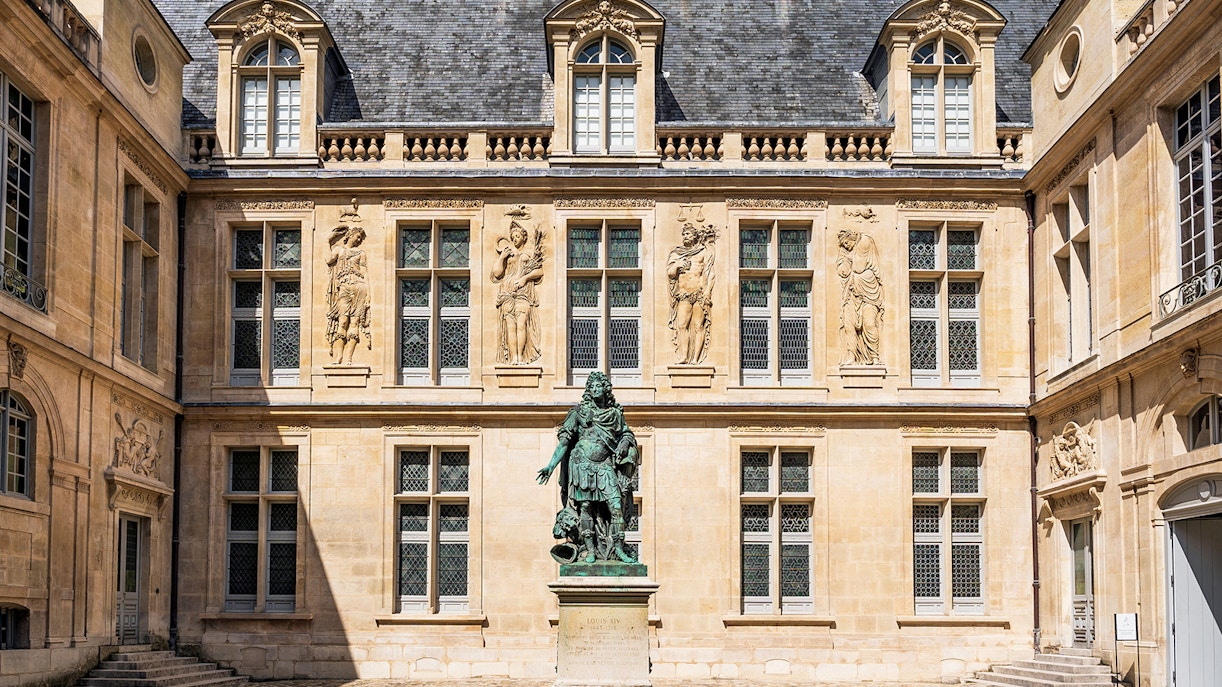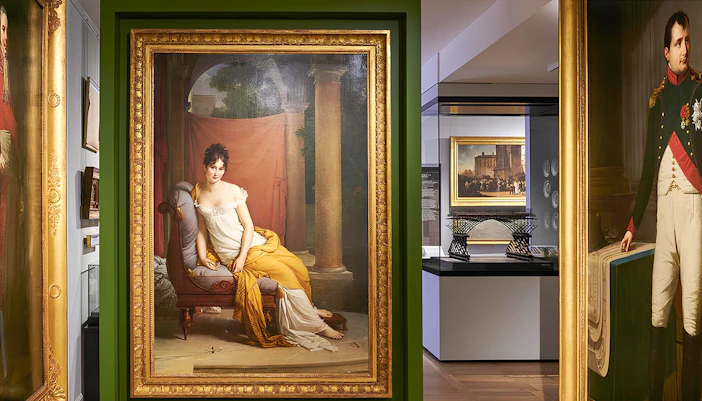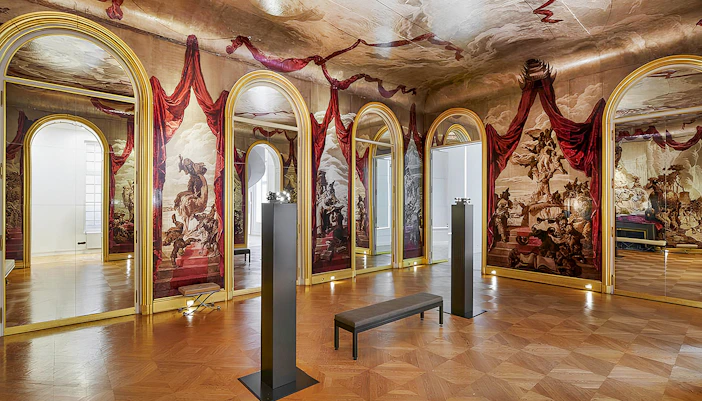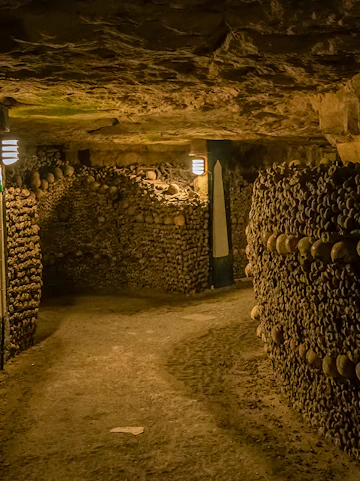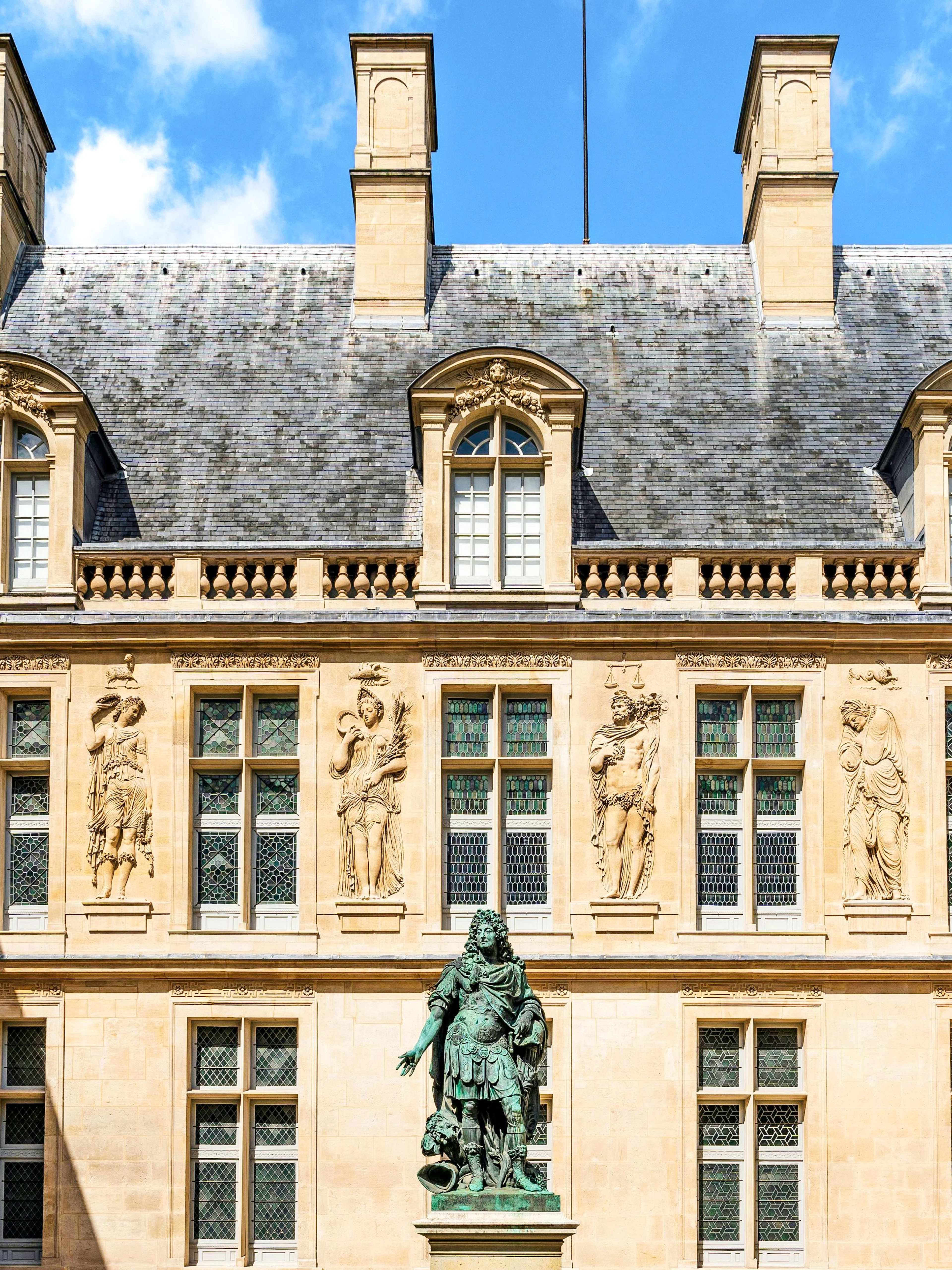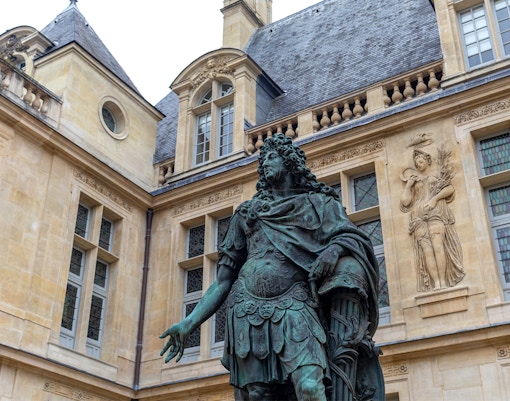
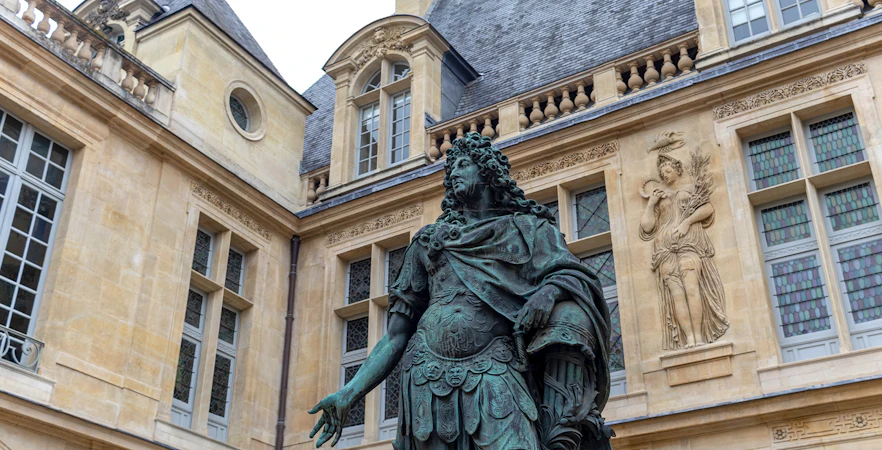
This majestic statue of Louis XIV from the 17th century is located on the first floor, is a rare survivor of the French Revolution. The king is depicted in a classical style, wearing a Roman breastplate and cloak. Originally displayed at the Paris City Hall, the statue now graces the Carnavalet Museum sine 1890, offering a glimpse into the grandeur of the Sun King's era.
How Headout makes choosing experiences effortless
Slide 1 of 4



Compare your Musée Carnavalet ticket options
| Ticket Type | Includes | Why pick this | Best for | Price from |
|---|---|---|---|---|
Carnavalet Museum & Current Exhibition Tickets | Entry to the Madame de Sévigné exhibition + permanent collections | Experience the museum's headline temporary exhibition while exploring 2,000 years of Parisian history | Art lovers, first-time visitors | €15 |
Guided Tour | Museum entry + shared/private guided tour in English or French + permanent collections | Discover the stories behind Paris' history with expert commentary and skip researching on your own | Culture enthusiasts, first-time visitors | €100 |
Marais Food Tour + Exhibition | Self-guided Marais food tour + Madame de Sévigné exhibition + permanent collections | Pair Parisian history with the flavours of Le Marais for a unique cultural experience | Foodies, independent travellers | €27 |
Carnavalet + Picasso Museum | Entry to the Madame de Sévigné exhibition + Picasso Museum | Explore two museums showcasing Parisian history and modern art in one value-packed combo | Museum lovers | €31 |
Carnavalet + Musée d'Orsay | Entry to the Madame de Sévigné exhibition + Musée d'Orsay | Combine Paris' history with world-famous Impressionist masterpieces | Art enthusiasts | €45 |
Carnavalet + Seine River Cruise | Entry to the Madame de Sévigné exhibition + Seine sightseeing cruise | Experience Paris from both its historic streets and the Seine | Couples, first-time visitors | €36 |
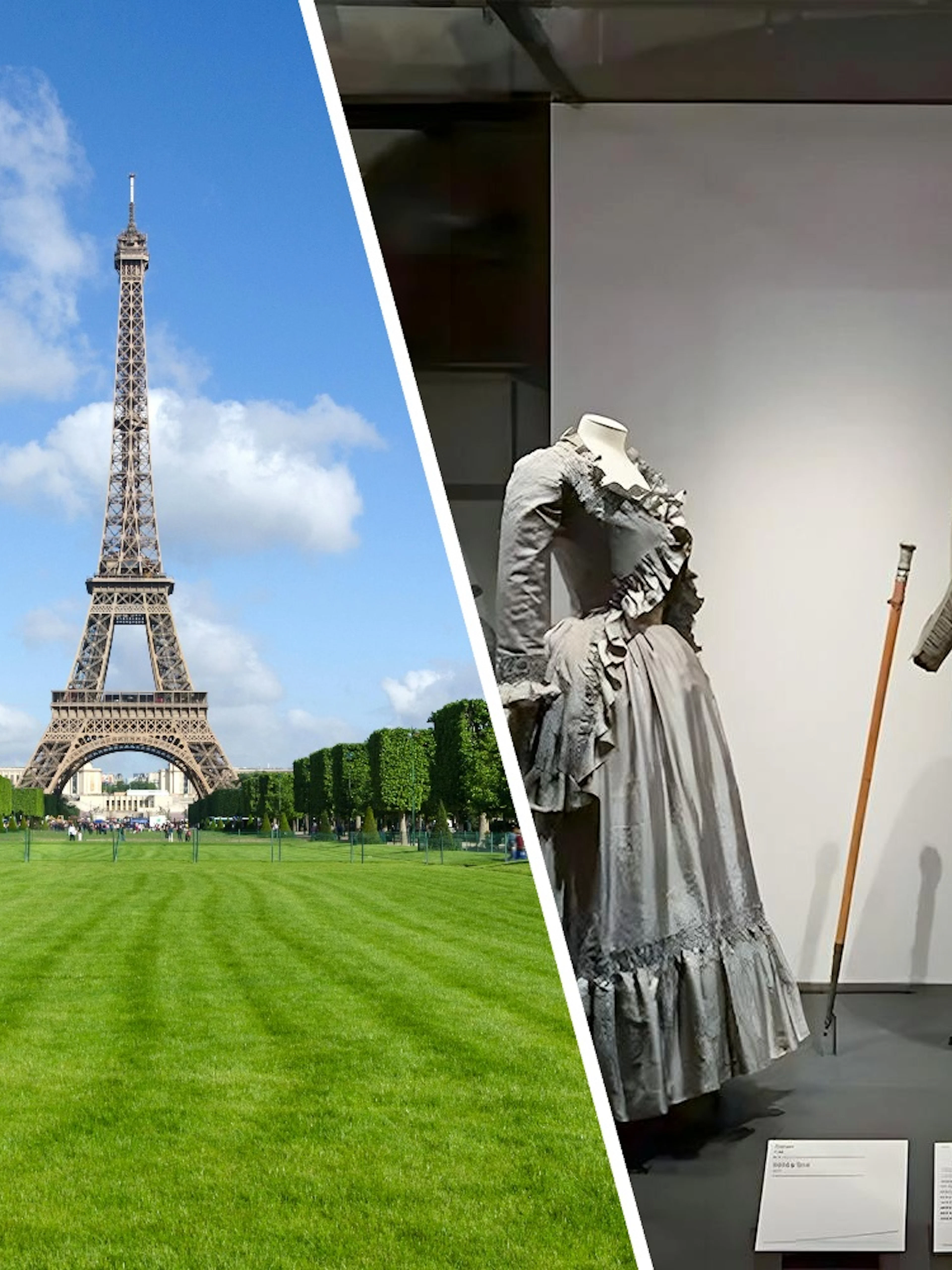
Carnavalet + Eiffel Tower Guided Tour | Entry to the Madame de Sévigné exhibition + guided Eiffel Tower tour | Tick off two iconic Paris experiences while saving with a combo | First-time visitors, families | €47 |
What to expect on your Musée Carnavalet visit
1/7
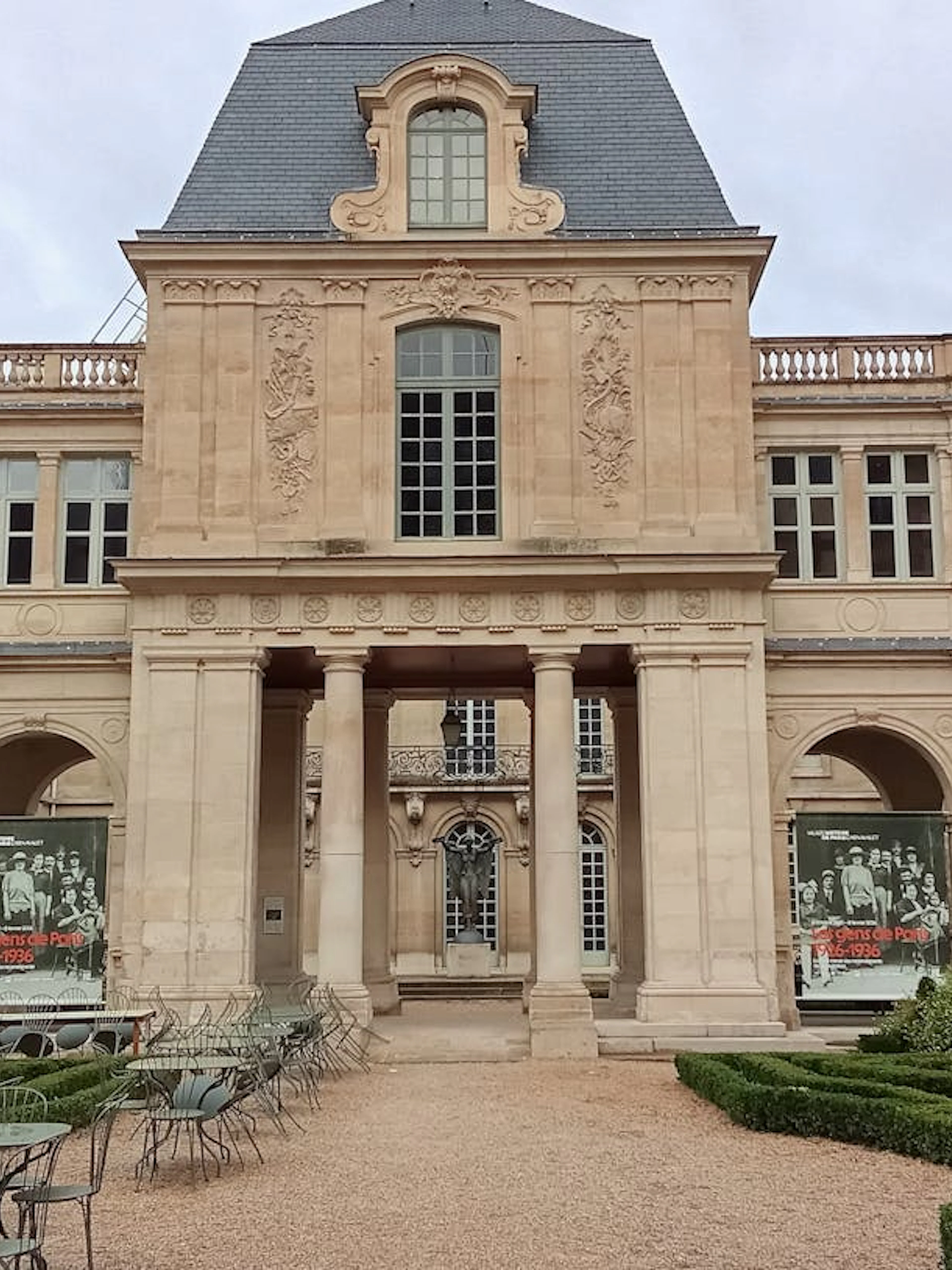
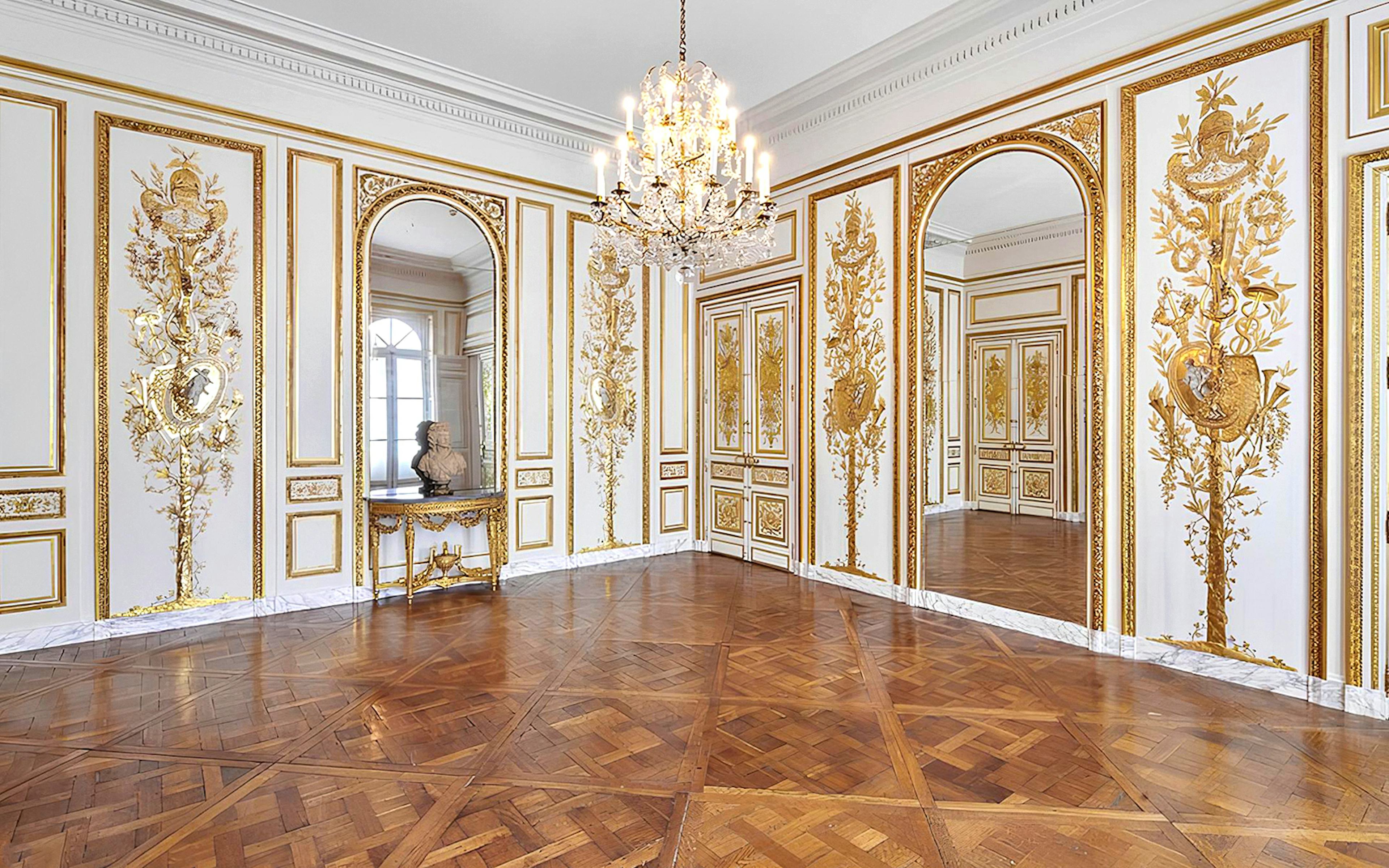
Step into Paris’ oldest museum
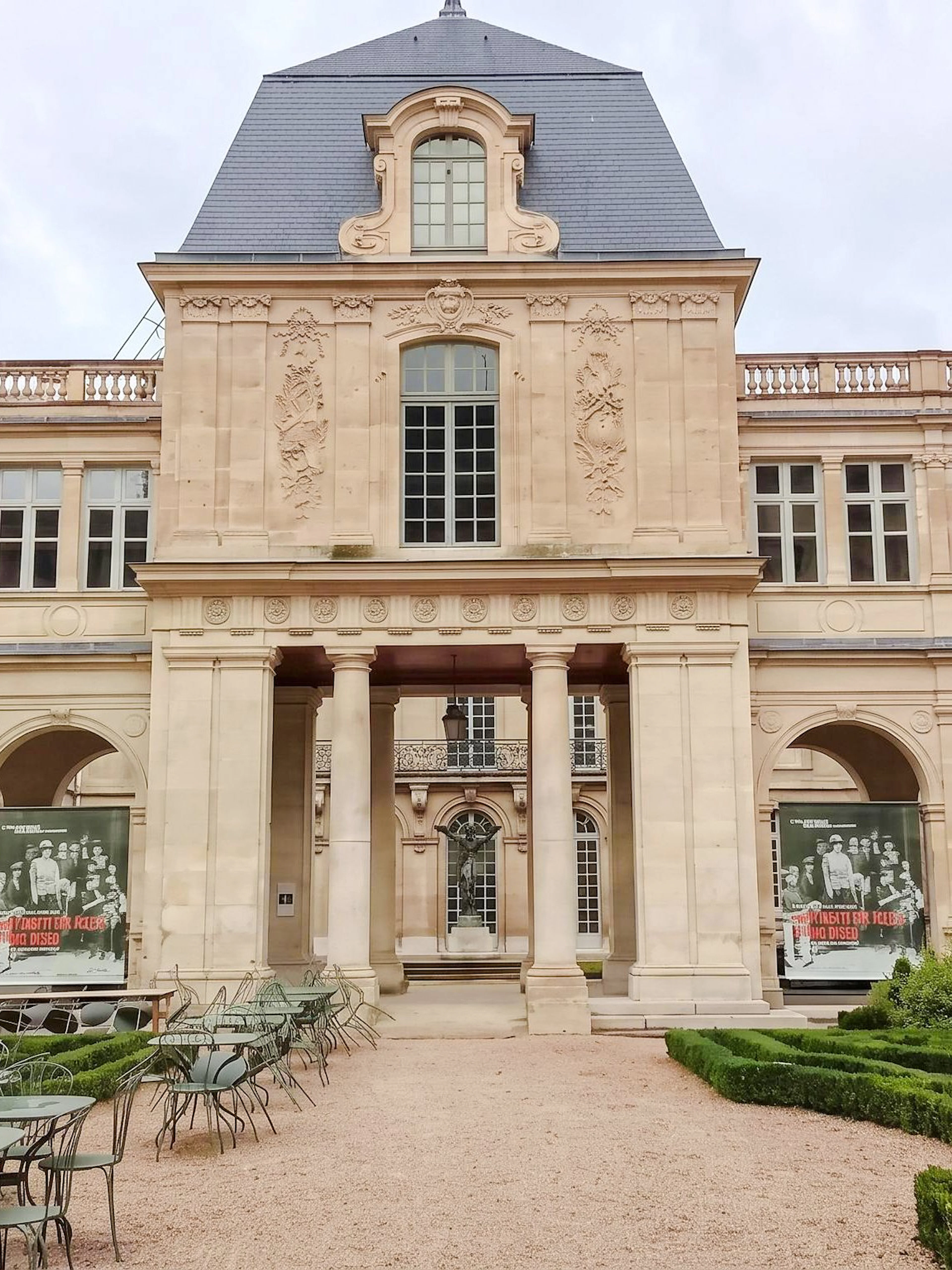
Wander through charming courtyards
Start underground: Explore ancient Paris
Move through centuries of Parisian life
Step into revolutionary Paris
Wrap up with a slow stroll
Looking for deeper insights?
Popular highlights of Musee Carnavalet's collection
Current exhibitions
Continue your art journey across Paris