Paris Tickets


Neighborhood at a glance

  • Why visit: Champs-Élysées packs the Arc de Triomphe, Palais Galliera, Petit Palais, Avenue Montaigne, and the western end of Paris’s grand ceremonial axis into one easy walk.
  • Atmosphere: Polished, traffic-heavy, luxury-retail, ceremonial.
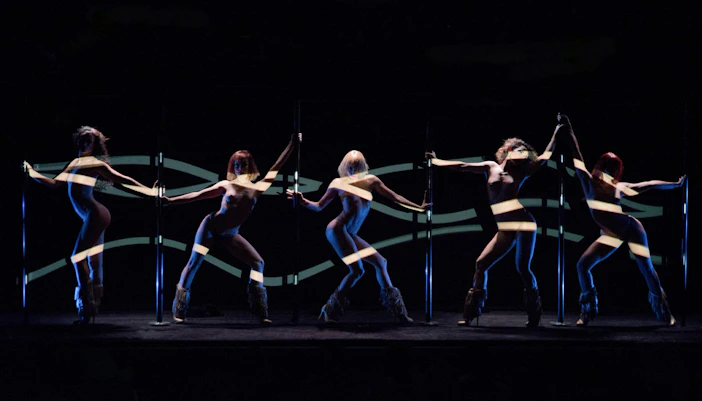
  • Top things to do: Climb the Arc de Triomphe, walk the Champs-Élysées from Étoile to Rond-Point, visit Palais Galliera, see a show at Crazy Horse Paris.
  • Best for: First-time visitors, fashion fans, luxury shoppers, evening plans.
  • Time needed: 2–4 hours.
  • Best time to visit: Weekday mornings for easier crossings, shorter lines at the Arc, and a calmer walk along the avenue.
  • Nearby: Arc de Triomphe, Palais Galliera, Petit Palais, Grand Palais, Avenue Montaigne, Pont Alexandre III.

Top things to do in Champs-Élysées

Pro tip

Start at Arc de Triomphe when it opens, then walk east toward Rond-Point — you’ll move with the slope, avoid the midday shopping crowds first, and reach the museums just as they become a useful indoor break.

Quick navigation

🏛️ Why visit | 🎟️ Best ways to explore |🧭 Plan your visit | 🌟 Free things to do | 📋 Itinerary | 💡 Tips |🍴 Dining

Why visit Champs-Élysées

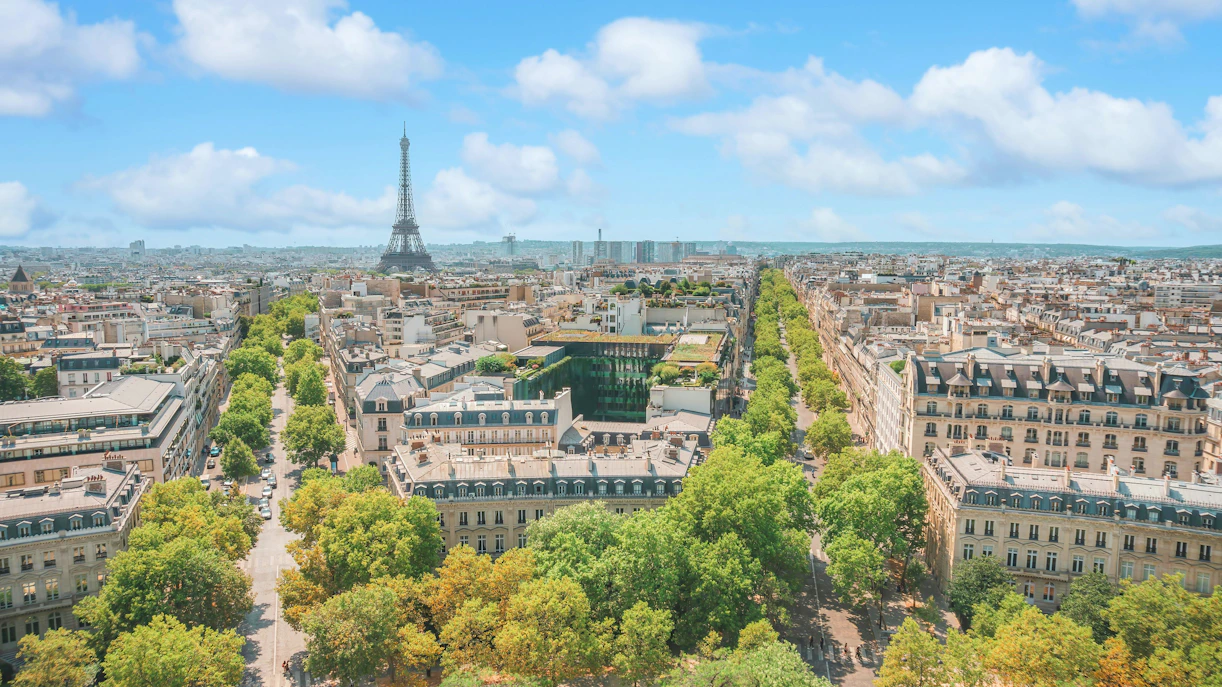
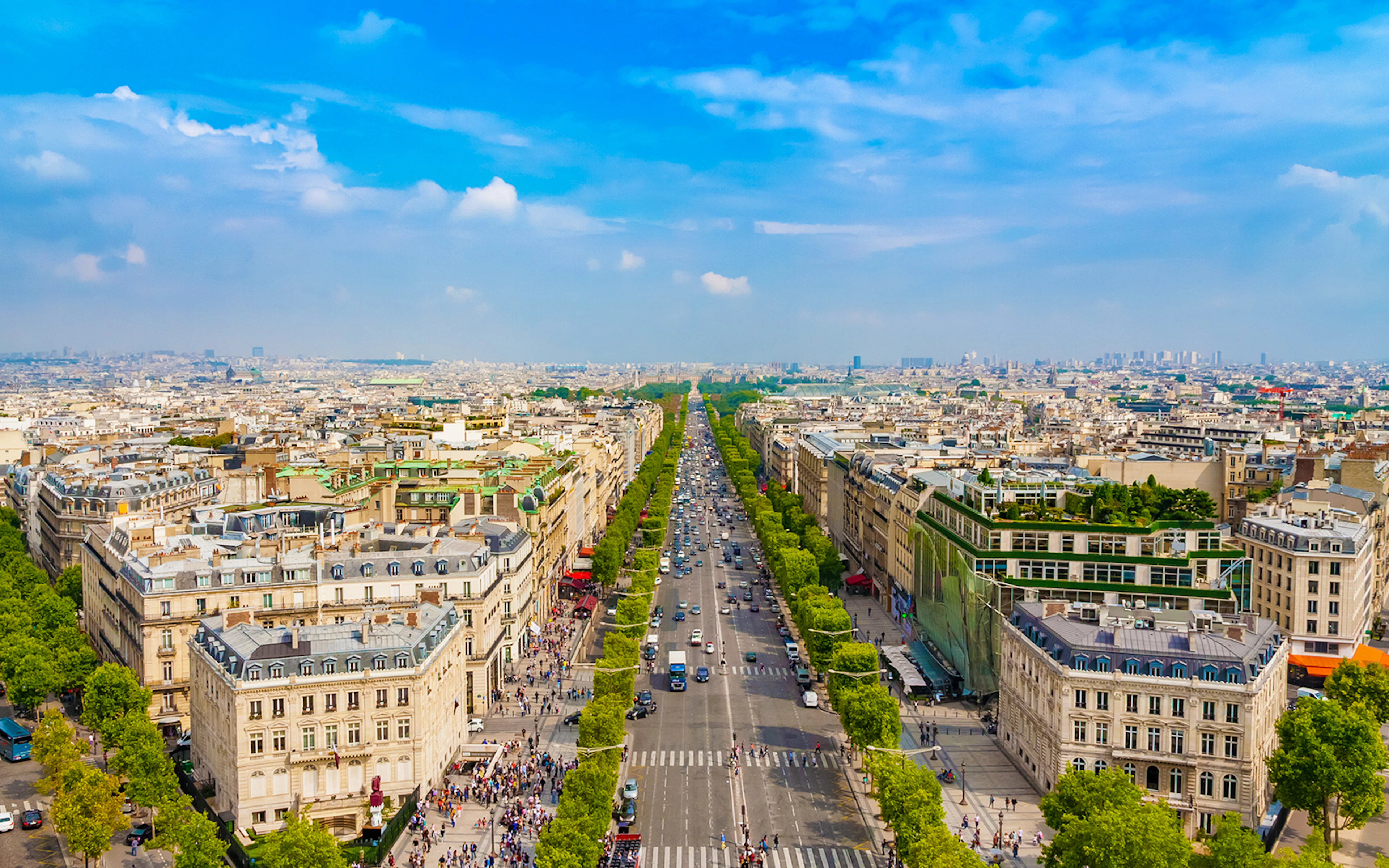
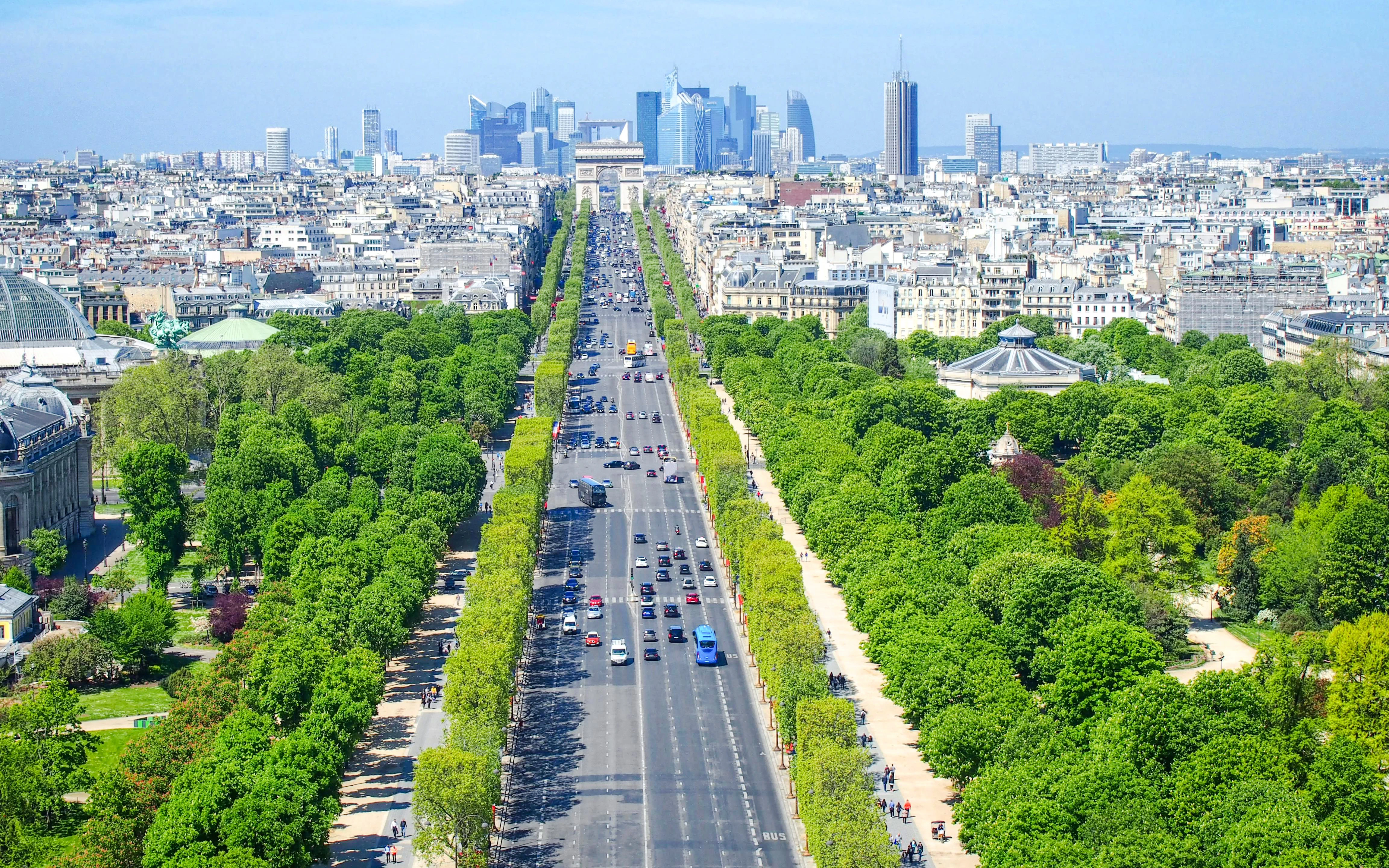
View from Arc de Triomphe over Champs-Élysées
Avenue Montaigne and fashion district near Champs-Élysées
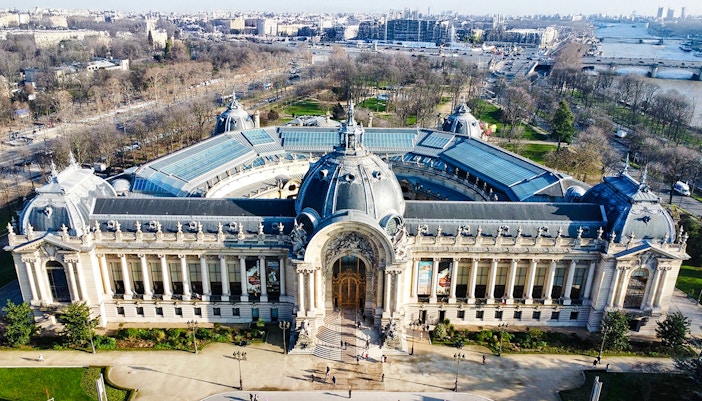
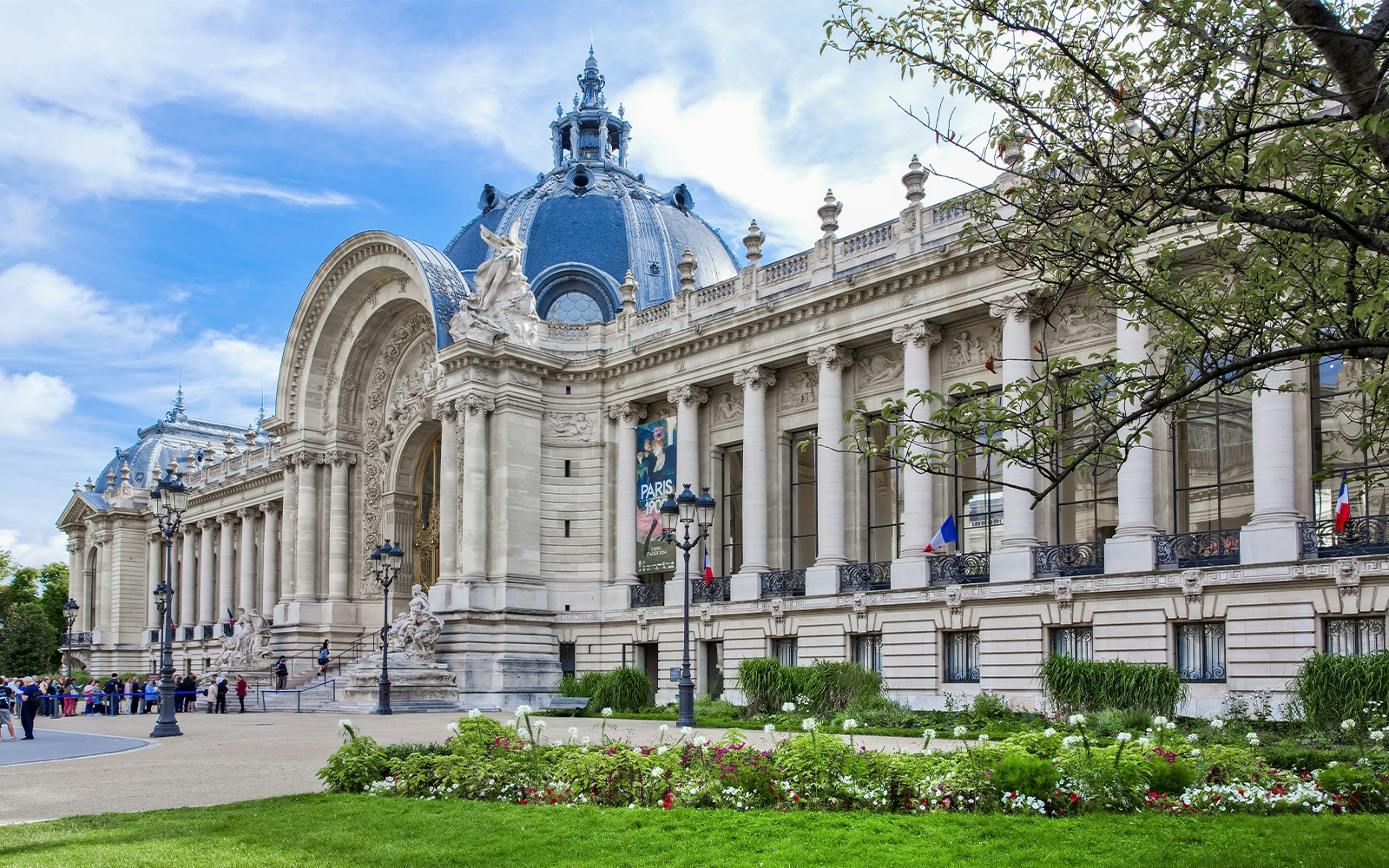
Petit Palais and gardens near Rond-Point
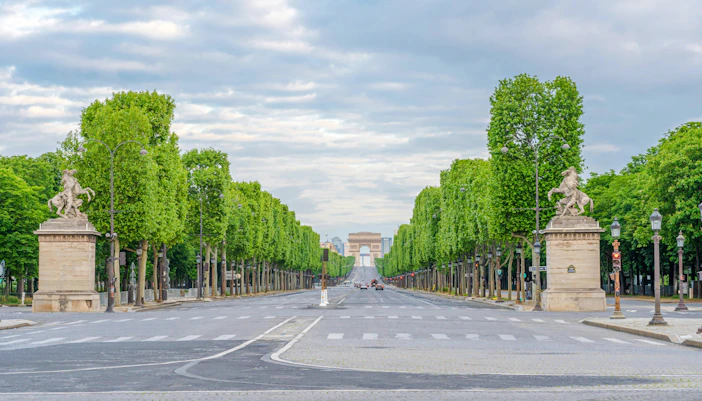
Ceremonial axis of Champs-Élysées in Paris
Sightseeing route linking Champs-Élysées and central Paris
1/5

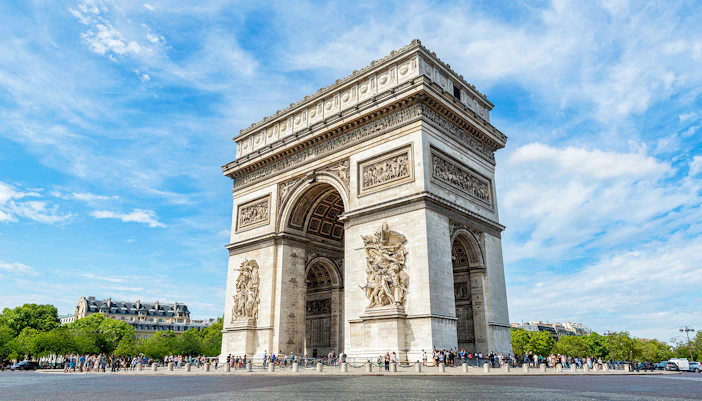
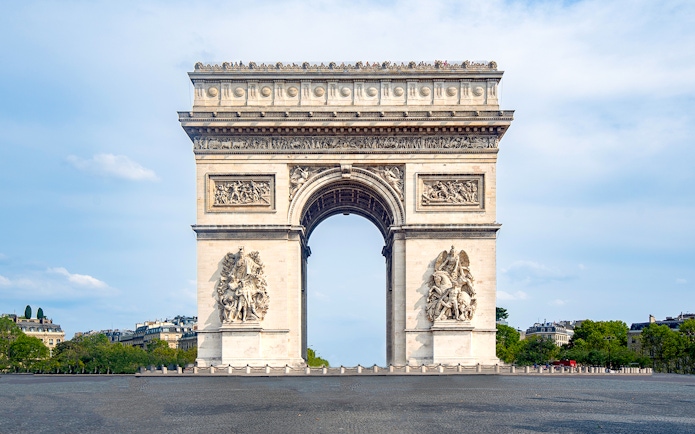
Arc de Triomphe anchors the whole district

The avenue makes the most sense when you see it from above first. From the Arc’s terrace, you can read the city’s layout, then walk straight down the Champs-Élysées with the full axis in front of you.

Visit Arc de Triomphe

You can mix monument time with fashion stops

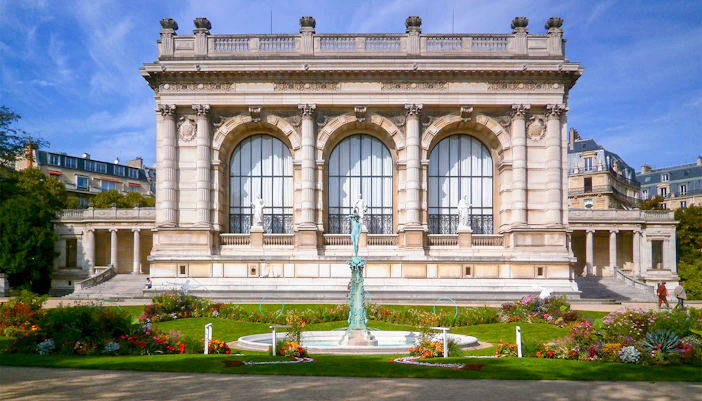
Few Paris areas let you move this easily between a national monument and fashion culture. Palais Galliera and Avenue Montaigne sit close enough to turn a history walk into a fashion-focused half-day without extra planning.

The eastern end gets quieter and more cultural

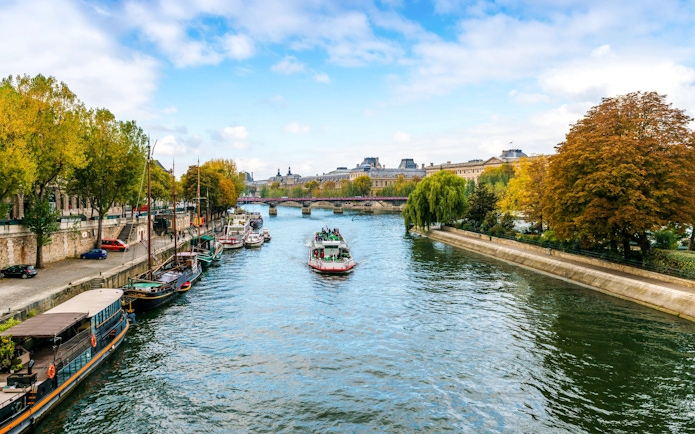
Around Rond-Point, the mood changes. The heavy retail stretch gives way to the Jardin des Champs-Élysées, Petit Palais, Grand Palais, and easier walks toward Pont Alexandre III and the Seine.

The avenue reflects Paris’s ceremonial history

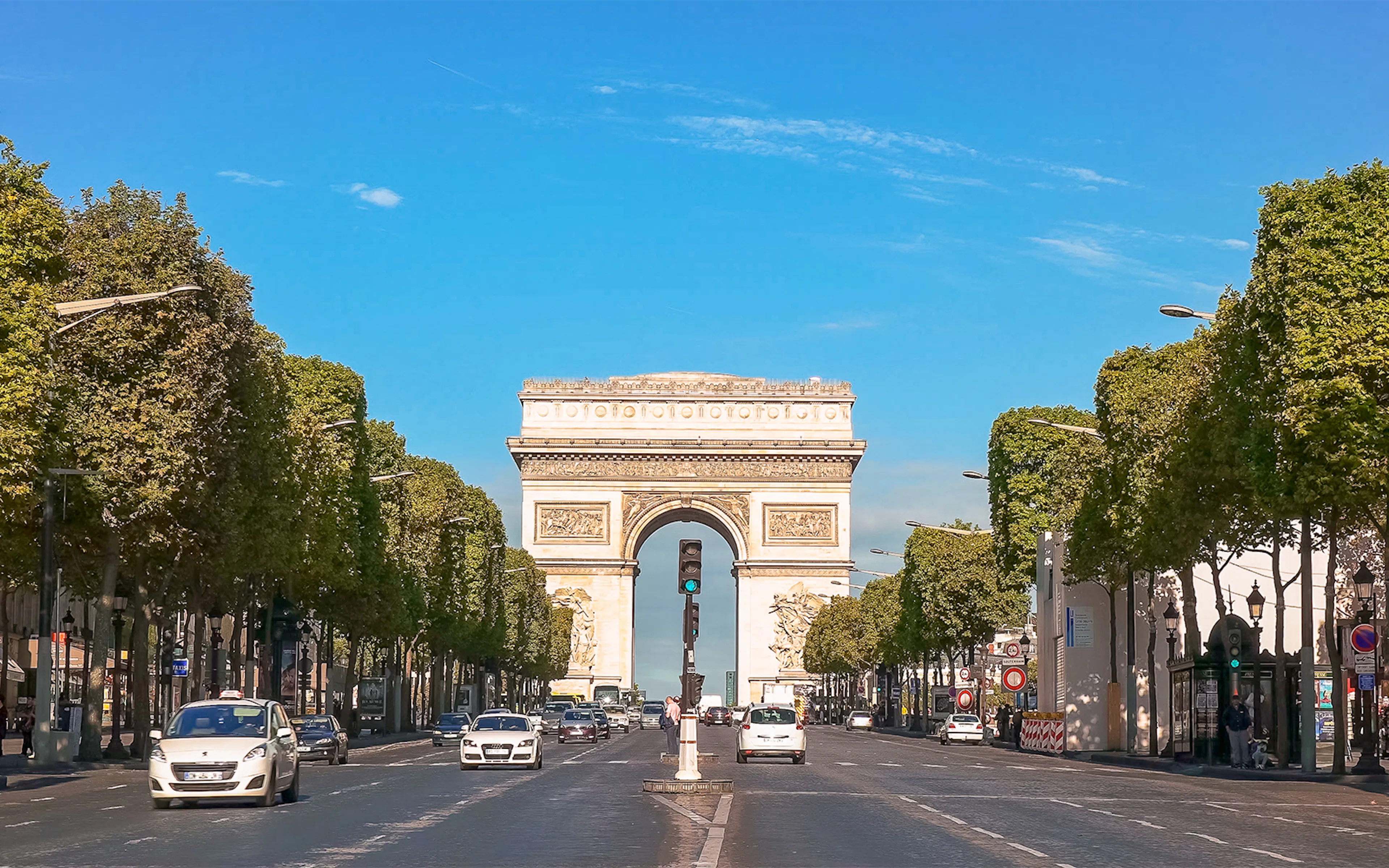
This was built as part of Paris’s grand urban axis linking Place de la Concorde to the Arc de Triomphe. Today, national celebrations, parades, and major public events still use the same straight, symbolic route.

It is easy to pair with western central Paris

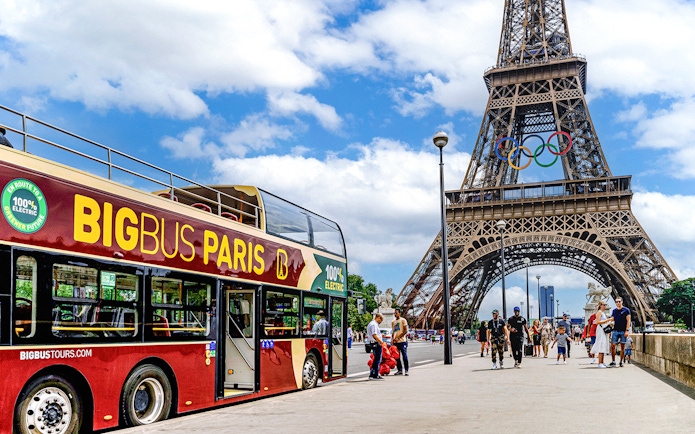
From the lower avenue, you can walk toward Palais Galliera, the Seine, and the Eiffel side of the city, or board a sightseeing bus that covers the Louvre, Notre-Dame, and Trocadéro in one route. It works well if you want a flexible day, not a single-ticket attraction.

Best ways to explore Champs-Élysées

A good walking route here starts at Arc de Triomphe, follows the avenue past flagship storefronts and theaters, then cuts through the Jardin des Champs-Élysées toward Petit Palais and Pont Alexandre III. The best versions explain how the avenue fits into Paris’s ceremonial geography, not just where to shop.

Pro tip

If you want this area to feel like more than luxury storefronts, pair Arc de Triomphe Entry Tickets with Rooftop Access in the morning with Crazy Horse Show Tickets in the evening. One explains the avenue’s place in Paris, the other shows how the 8th arrondissement shifts after dark.

Plan your visit

Pro tip

The strongest transport fit here is Big Bus: Paris Hop-on Hop-off Bus Tour with Optional Seine River Cruise because it covers the Champs-Élysées, Louvre, Eiffel Tower, and Notre-Dame on one route. If this district is only part of your day, that is usually more efficient than chaining metro rides.

Free things to do in Champs-Élysées

Suggested itinerary for visiting Champs-Élysées

This district is best done west to east, starting at the Arc and walking downhill toward the museum and bridge end. The layout is linear enough that you can cover a lot on foot if you avoid doubling back.

Tips for visiting Champs-Élysées

  • If you only plan to pay for one attraction here, make it Arc de Triomphe Entry Tickets with Rooftop Access rather than spending your whole budget on the avenue itself. The rooftop gives context to everything you walk afterward.
  • Use the Arc de Triomphe underpass from the start. The traffic circle at Place Charles de Gaulle is not worth trying to read at street level.
  • For a calmer museum stop, choose Palais Galliera or Petit Palais after the central avenue, not before it. They work better as a reset once the retail stretch gets repetitive.
  • Skip lunch on the busiest part of the avenue if value matters. Walk one or two streets off, or head toward Avenue Montaigne or the Petit Palais side for a quieter meal.
  • If you want the cleanest avenue photos, shoot early from the Étoile end or late near Rond-Point. Midday light is flatter, and the center stretch fills with delivery vehicles, buses, and shoppers.
  • The walk from Arc de Triomphe to Rond-Point usually takes about 30–40 minutes without stops, but crossings and shop traffic make it feel longer than it looks on a map.
  • For a same-area evening, Crazy Horse Paris is easier to pair with Champs-Élysées than crossing to a different cabaret district. Just remember the dress code: smart, elegant clothing, with no sportswear or flip-flops.
  • If you want to cover this district plus the Louvre, Eiffel Tower, and Notre-Dame in one day, use Big Bus or Tootbus instead of dipping in and out of the metro. This area is wide, and repeated station stairs can waste time.

Best photo spots in Champs-Élysées

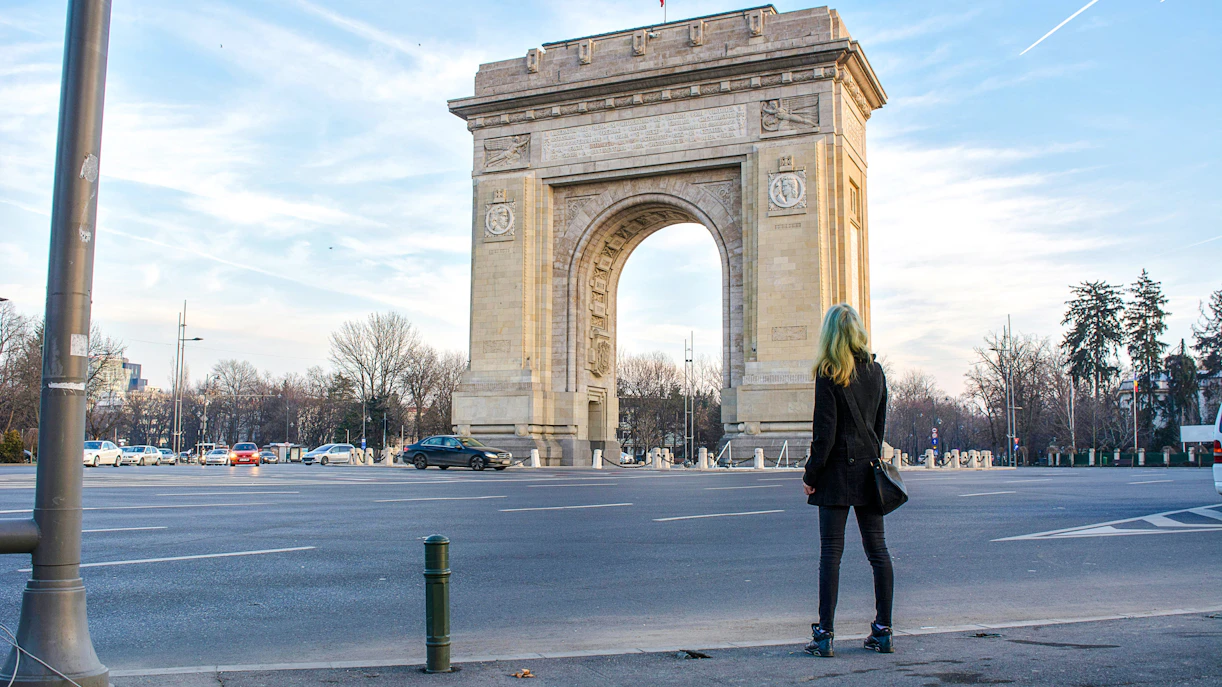
Arc de Triomphe from Avenue de Friedland at blue hour

Avenue de Friedland crosswalk facing the Arc at blue hour

Stand on the Champs-Élysées side of Place Charles de Gaulle, face west, and keep the Arc centered above the traffic lines. The frame works best just after sunset, when headlights streak below the stone reliefs.

Rond-Point view up Champs-Élysées in late afternoon
Petit Palais forecourt toward Pont Alexandre III
Avenue Montaigne storefront view toward Champs-Élysées
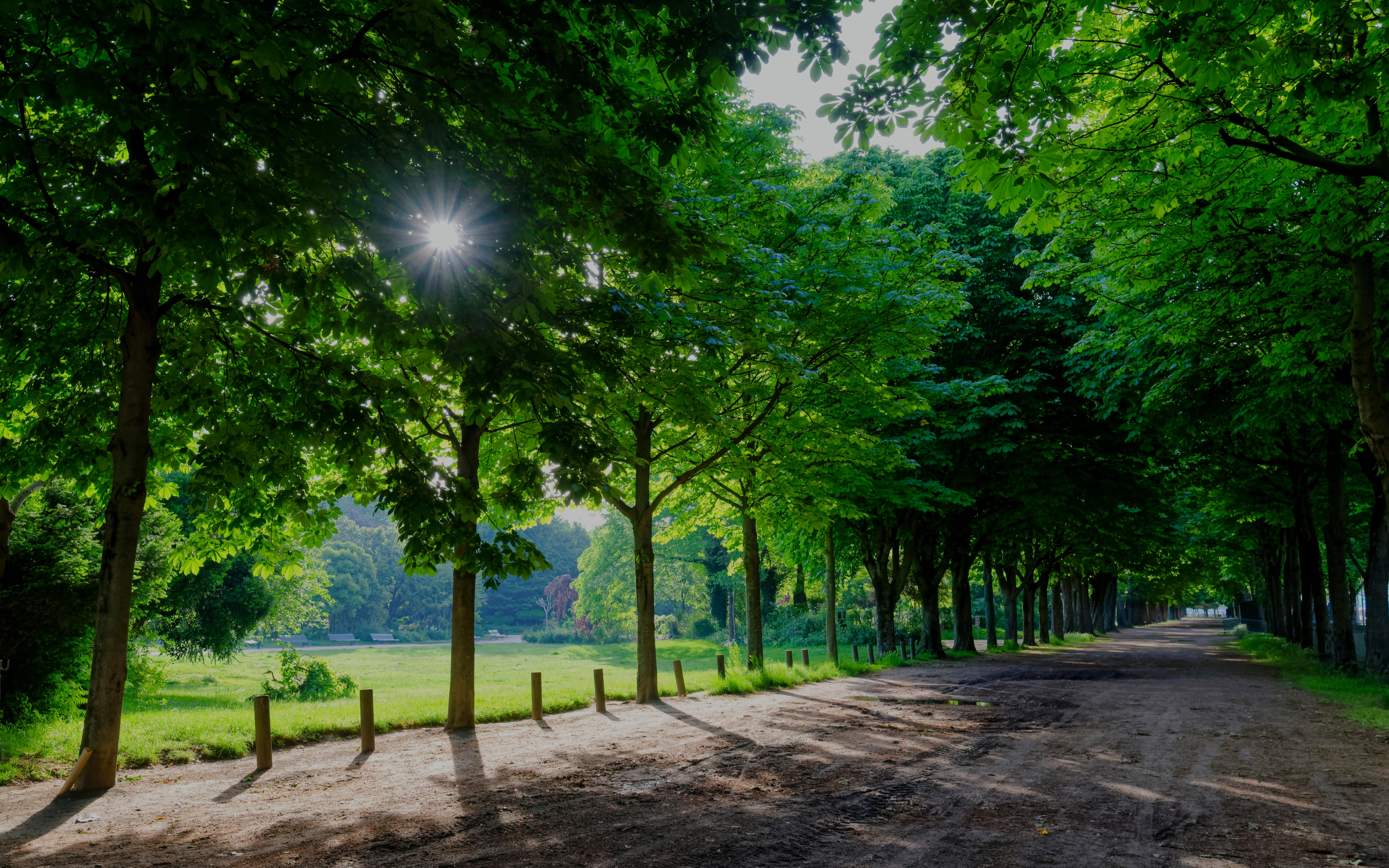
Jardin des Champs-Élysées path near Petit Palais

Dining in Champs-Élysées

Must-eat tip

If you stop at Ladurée Champs-Élysées, do it for macarons and hot chocolate rather than a full main meal. It works better as a break between the avenue walk and the museum end of the district.

Should you stay in Champs-Élysées?

Short answer: Yes, if you want a polished, central base and do not mind paying for it. It suits first-time visitors, luxury travelers, and short stays; the trade-off is price, traffic, and less neighborhood feel at night.

  • The vibe — After the daytime shopping traffic fades, the area still feels bright, wide, and active around Avenue George V, the lower avenue, and cabaret-adjacent streets. It is not especially intimate or residential.
  • The logistics — You’ll find a dense mix of high-end hotels, business hotels, and polished chain properties rather than budget stays or apartment-heavy blocks. Rooms on the avenue itself can be noisier and pricier than one or two streets off.
  • Who it’s for — This works well for first-time Paris visitors, luxury shoppers, and anyone building short trips around the Arc, Avenue Montaigne, and the western Seine side. It is a weaker fit for budget travelers, people who want a café-and-market local feel, or visitors planning most evenings in the Marais or Latin Quarter.
  • Top recommendation — Look around Rue de Berri, Rue Washington, or the blocks just off Avenue George V rather than directly on the main avenue. Boutique hotels and business-style properties there give you the same access with less street noise.

Explore other neighborhoods in Paris

Frequently asked questions about Champs-Élysées

Yes. The best reasons to come are the Arc de Triomphe, the ceremonial scale of the avenue, the museum cluster near Rond-Point, and how easily the district connects to the Seine side. If you are not shopping, keep the retail section moving and spend more time at Palais Galliera, Petit Palais, or Pont Alexandre III.